

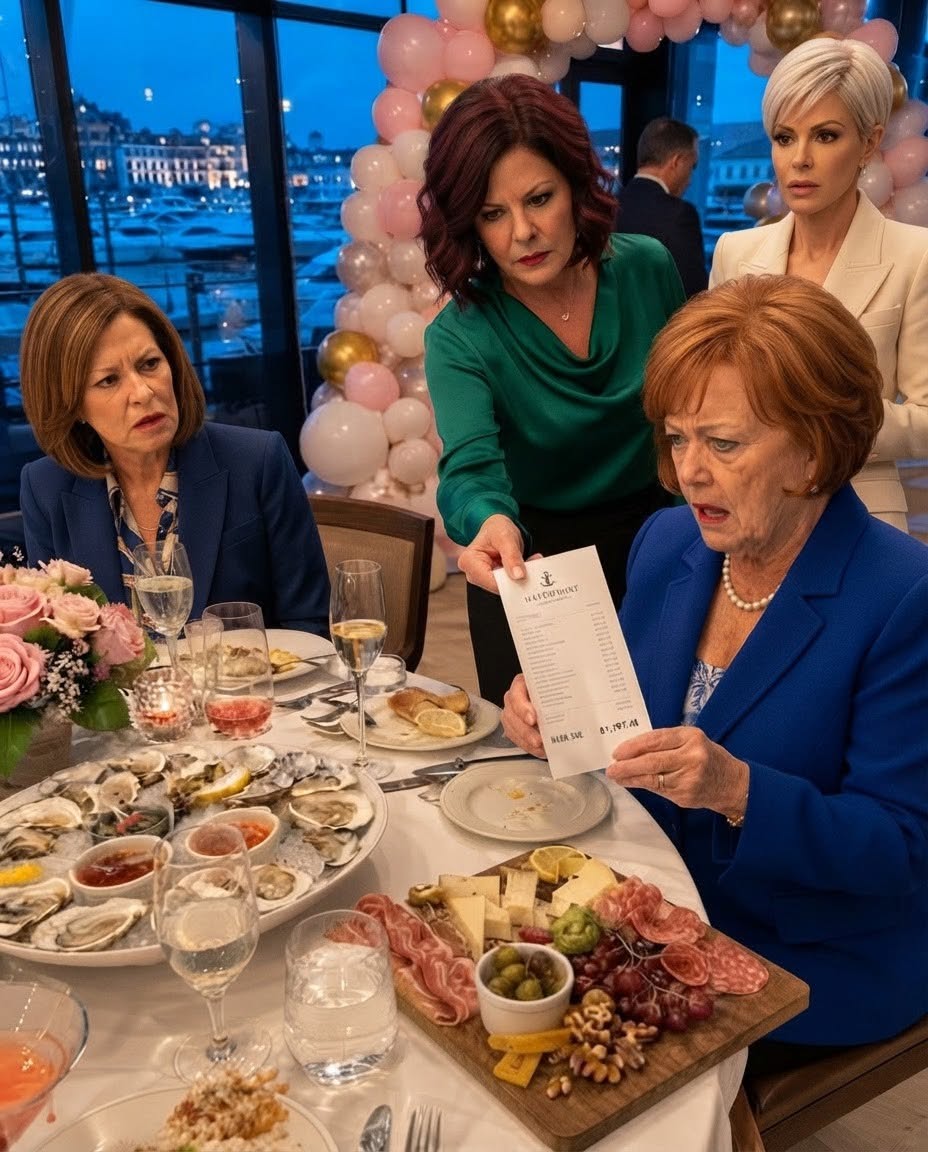
By nine, she was carefully working through her second fish.
At ten, she found me.
“That was much harder than I expected.”
“It usually is.”
“Do they do that every day?”
“The prep team does.”
“Before dinner?”
“Hours before anyone sits down.”
She looked around the kitchen.
“I didn’t know.”
“Most guests don’t.”
Then Evelyn went quiet.
“Claire.”
“¿Sí?”
“When I called you a servant…”
She stopped.
Then tried again.
“A servant is someone doing work other people don’t see so that those people can enjoy the result.”
I nodded.
“Yes.”
“I didn’t mean it as a compliment.”
“I know.”
“But in a strange way, it may have been one of the most accurate things I ever said.”
“The problem wasn’t the description.”
She looked at me.
“It was how you used it.”
“To put you beneath me.”
“Yes.”
She looked down at her apron.
“I’m sorry.”
This time, the apology felt different.
Not because the words had changed.
Because her understanding had.
“Do you believe me?” she asked.
“I think you’re beginning to understand why you should be sorry.”
She nodded slowly.
“That’s fair.”
Then she surprised me.
“Can I come back next Monday?”
“Yes.”
So she did.
And the Monday after that.
Over the next few months, Evelyn learned about deliveries.
Prep work.
Oysters.
Fish.
Wine.
Inventory.
Labor.
The invisible hours behind every plate.
One morning, while we examined the season’s first quahogs from one of our Cape suppliers, she looked at me.
“This is what you know.”
“Yes.”
“And you learned it over fifteen years.”
“Yes.”
“Nobody handed it to you.”
“No.”